The Epstein Files Explained
What Was Released, What Was Withheld, and Why It Matters

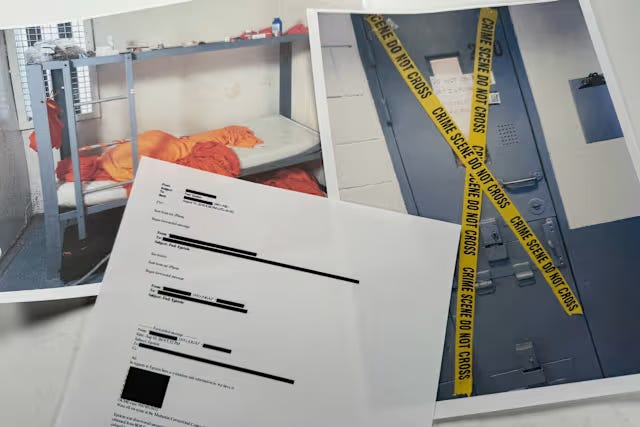
On January 30, 2026, the United States Department of Justice unleashed an epic paper avalanche, some 3.5 million pages of federal investigative material tied to Jeffrey Epstein. It was the largest legal document dump in DOJ history, not born of a sudden moral awakening but because Congress essentially handed them a “no excuses” statute and said, “Start photocopying.” The Epstein Files Transparency Act, passed in late 2025 with rare bipartisan gusto, left the department with fewer escape routes than a soap opera villain cornered in a hallway, and about as much moral high ground.
What spilled out from the release was not some neat little “aha!” moment or a courtroom-ready soap opera of heroes and villains. No, it was more like finding your grandma’s attic stuffed with decades of dust-covered scandal: a sprawling treasure map of institutional mischief, charted in crumbling memos, cryptic hotline whispers, half-baked indictments, passive-aggressive household manuals, and emails so old they could be considered vintage. All of it had been piling up quietly for years, while the grand enforcement engine sat in the corner like a rusty lawnmower that everyone swore they’d fix “next weekend.”
This wasn’t just a tale about Jeffrey Epstein; it was more like a masterclass in how the powerful wrap themselves in a bubble wrap of influence, file away warnings like they’re overdue library books, and treat procrastination as if it’s some kind of cutting-edge security system.
The Architecture of Exploitation
Hidden in the January release is a mountain of FBI tip summaries, many funneled in from the ever-watchful National Threat Operations Center, with some gathering dust for years before Epstein’s first arrest. These weren’t your garden-variety gossip nuggets; they were the kind of detailed, specific, and downright spine-chilling tidbits that could make even the toughest investigator wish for a strong cup of coffee and perhaps a vacation.
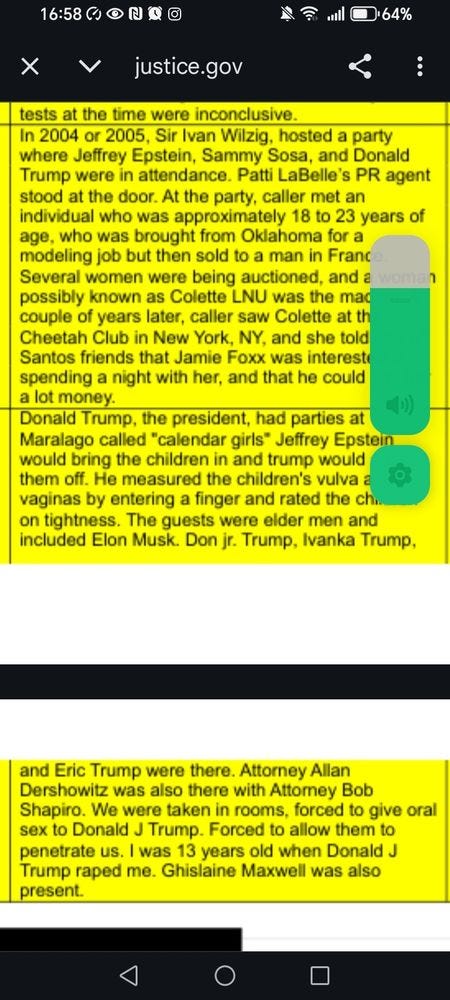
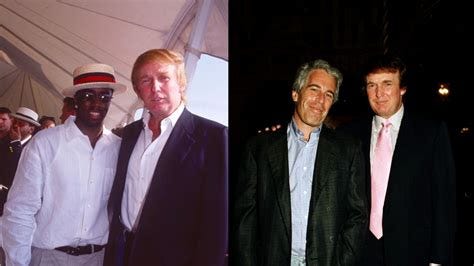
Among the most troubling records are accounts detailing early 2000s social gatherings at exclusive venues where modeling, human trafficking, and high-society entertainment allegedly intersected. One document describes a 2004 or 2005 party hosted by Sir Ivan Wilzig, reportedly attended by Jeffrey Epstein, Sammy Sosa, and Donald Trump. The record states that a young individual, estimated to be between 18 and 23 years old, was brought from Oklahoma under the guise of a modeling opportunity and subsequently sold to a man in France. The same account further alleges that women were being “auctioned” at the event, with a person identified as “Colette” serving in a managerial capacity.
These aren’t the dramatic trial revelations you see in courtroom dramas; they’re the behind-the-scenes investigative records, the kind that wear trench coats and sunglasses. Still, they were diligently logged, carefully preserved, and faithfully retained by federal authorities, probably in a file cabinet labeled “Top Secret: Do Not Spill Coffee On.”
Even more troubling are documents describing events at Mar-a-Lago, referred to in multiple tips as “calendar girls” parties. These reports allege that Epstein brought minors to these gatherings and that guests included senior political and business figures. One tip contains graphic descriptions of abuse, including alleged sexual assaults of a 13-year-old, with Ghislaine Maxwell identified as present. Names appear in attendee logs and associated records, including Donald Trump, members of his immediate family, and prominent attorneys.
The Department of Justice dismissed many late-arriving tips as “sensationalist” and “untrue,” essentially labeling them the junk mail of justice. Yet, instead of hitting delete, these eyebrow-raising tales were carefully filed away in the federal archives and later released under the Act. Which begs the question: if these wild stories weren’t worth believing, why didn’t anyone take the time to either prove them wrong or at least give them a proper send-off into the land of debunked myths?
The Silence That Followed the Warnings
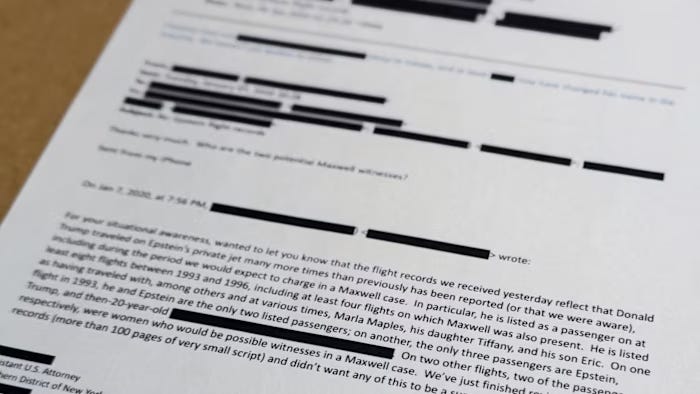
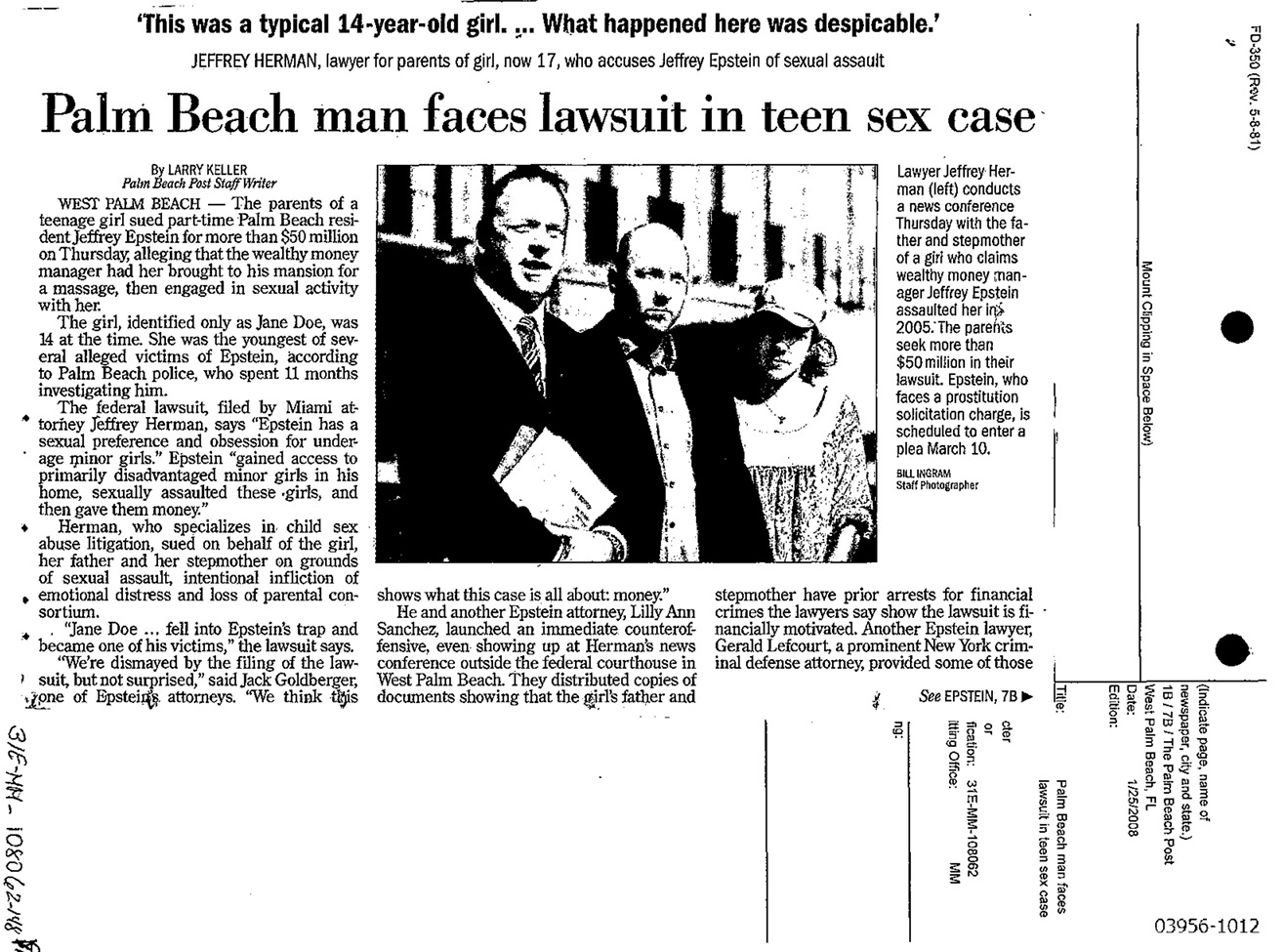
The files reveal that in September 1996, Maria Farmer presented the FBI with detailed allegations regarding Epstein’s sexual abuse of minors. Her account included specific names, locations, and recurring patterns of misconduct. Despite this, no thorough investigation was conducted for almost ten years.
This delay wasn’t some innocent bureaucratic hiccup, like a form getting lost in the mystical land of Office Drawer Number Three. No, this was a conscious, deliberate decision, someone looked at the ticking clock, sipped their coffee, and thought, “Yes, let’s marinate in this inefficiency a little longer.”
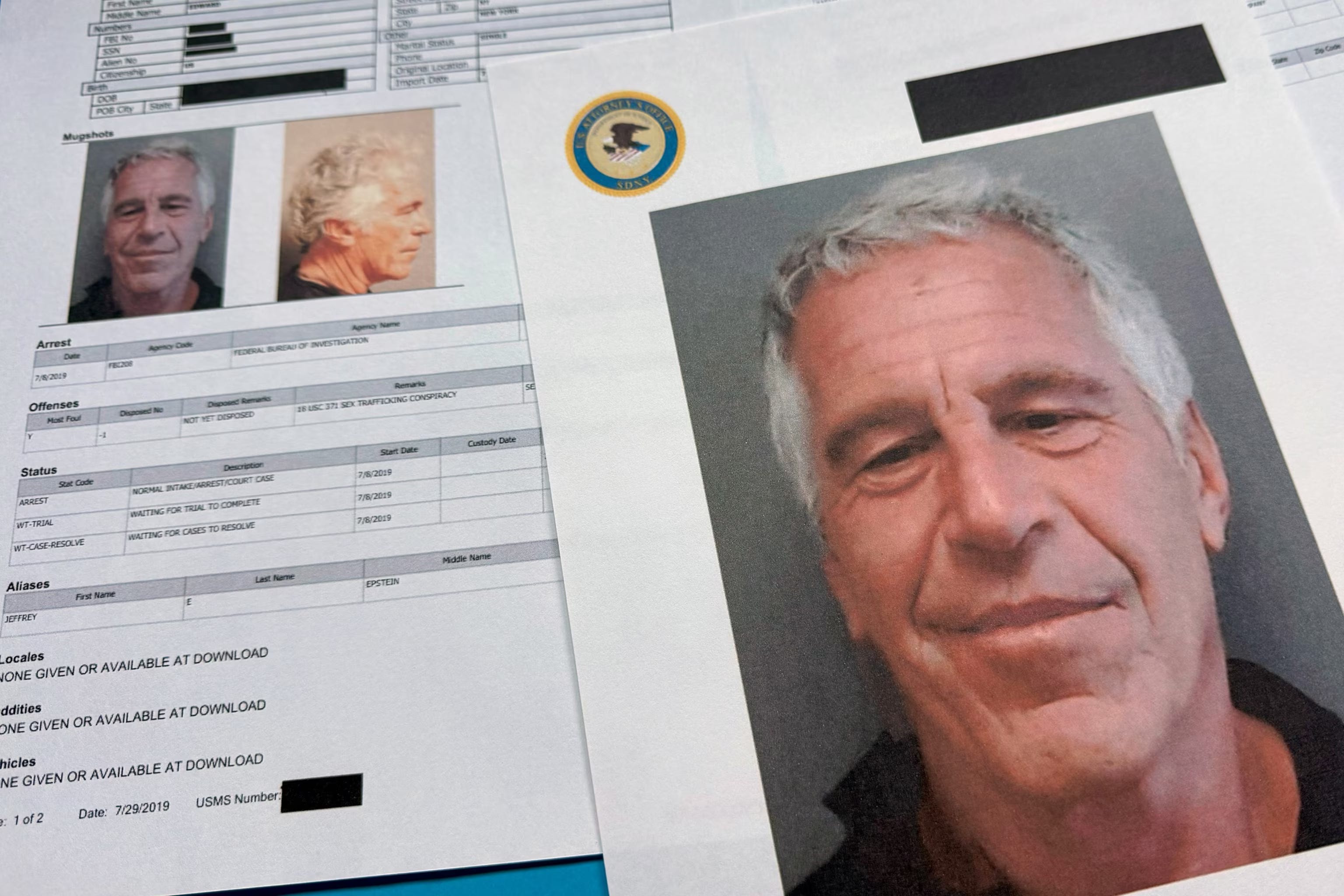
That choice culminated in the 2007 non-prosecution agreement, negotiated by then-U.S. Attorney Alexander Acosta. The newly released materials include a draft federal indictment that would have charged Epstein and three of his assistants with conspiracy to traffic and sexually abuse minors. The draft lays out a systematic recruitment operation targeting high school students, complete with referral payments and structured abuse. The indictment was never filed.
Instead, Epstein received a state-level plea deal that shielded unnamed co-conspirators and effectively froze further inquiry. The 2026 release makes clear that federal prosecutors understood the scale of the operation at the time. The decision not to act now stands as one of the clearest examples of institutional abdication in modern criminal justice history.
Household Logistics and the Infrastructure of Silence
One of the most eyebrow-raising artifacts is a sprawling 58-page household manual for Epstein’s Florida estate, a tome that manages to transform the humble staff guide into something closer to a military field manual for butlers. Instead of gentle reminders about dusting and serving tea, it reads like a top-secret playbook for running a small nation, complete with unspoken rules, covert protocols, and the kind of micromanagement that would make even the most disciplined soldier break into a nervous sweat.
The staff were schooled in the fine art of professional oblivion, embracing a “see no evil, hear no evil, speak absolutely nothing” mantra as though auditioning for a silent film. Guest rooms were to be cleaned with the kind of meticulous zeal usually reserved for crime scene units on TV, while abandoned condoms and lonely sex toys vanished quicker than free snacks at an office party. Wads of cash were artfully fanned across tables like decorative centerpieces, luring loyalty and complicity with the subtlety of a marching band. Even firearms popped into conversation with the breezy casualness of weather updates, complete with helpful tips on the best mattress storage practices, because nothing says hospitality like a well-hidden handgun.
This wasn’t chaos; it was the administration doing its best impression of a well-oiled circus. The manual cheerfully outlines how exploitation can thrive indefinitely once it’s been neatly gift-wrapped in normalcy, run on a tight daily schedule, and safeguarded by a wall of hush-hush, held together with gold-plated duct tape and the subtle art of looming over people just enough to make them reconsider speaking up.
Technocratic Entanglements
The files blow apart the fairy tale that Epstein’s sway evaporated after his 2008 conviction. In fact, emails from 2012 to 2014 reveal he was still rubbing virtual elbows with tech sector bigwigs, proving that his network didn’t just fizzle out, it upgraded to the latest version.
Alleged messages from Elon Musk reportedly feature curious questions about the goings-on at Epstein’s infamous island, along with chatty back-and-forths about travel plans and where to stash one’s luggage. Musk has waved off any notion of a meaningful connection, chalking it all up to some overzealous attempts at networking that went sideways. Yet, the emails seem less like random cosmic alignment and more like someone repeatedly knocking on a very questionable door.
In a plot twist straight out of a Silicon Valley soap opera, certain records point to Bill Gates, featuring a draft email where Epstein boasts about helping to sweep up the confetti from Gates’s alleged romantic escapades. Meanwhile, other tech titans like Sergey Brin and Jeff Bezos make cameo appearances, not at a product launch or rocket unveiling, but in the peculiar social circles orbiting Epstein and Maxwell.
Just because someone’s hanging around the scene doesn’t mean they’ve committed a crime; it’s not like the universe stamps “GUILTY” on your forehead for showing up. But it does mean they had the all-important golden ticket to get in, and in Epstein’s world, that golden ticket was the hottest commodity in town. Access wasn’t just part of the deal; it was the whole sparkling, velvet-rope package.
Bipartisan Containment
The political fallout from the release has been as swift and dramatic as a soap opera plot twist. Logs, photographs, emails, and scheduling records feature hundreds of Republicans and Democrats alike, all caught in this bipartisan cameo extravaganza. Some have been cast as outspoken critics of the DOJ’s black-marker artistry, while others have earned starring roles as alleged enablers of bureaucratic dawdling, courtesy of political action groups with a flair for drama.
Former President Bill Clinton keeps popping up in photographs and visitor logs like that one friend who somehow makes it into every group selfie. On the Democratic side, emails paint a picture of high-society hobnobbing with senior legal and diplomatic bigwigs, complete with canapés and polite nodding. Meanwhile, on the Republican side, the transparency crusaders are wagging fingers at the DOJ, accusing it of playing hide-and-seek with the truth, but only when it’s politically convenient.
The outcome is a cringe-worthy reality check, the kind that makes you want to look away but also grab popcorn. This debacle wasn’t the result of one political team dropping the ball; it was the whole stadium deciding to play a completely different sport, badly. In short, the system didn’t just fail; it tripped over its own shoelaces, face-planted, and then blamed the turf.
The 3 Million Pages Still Missing
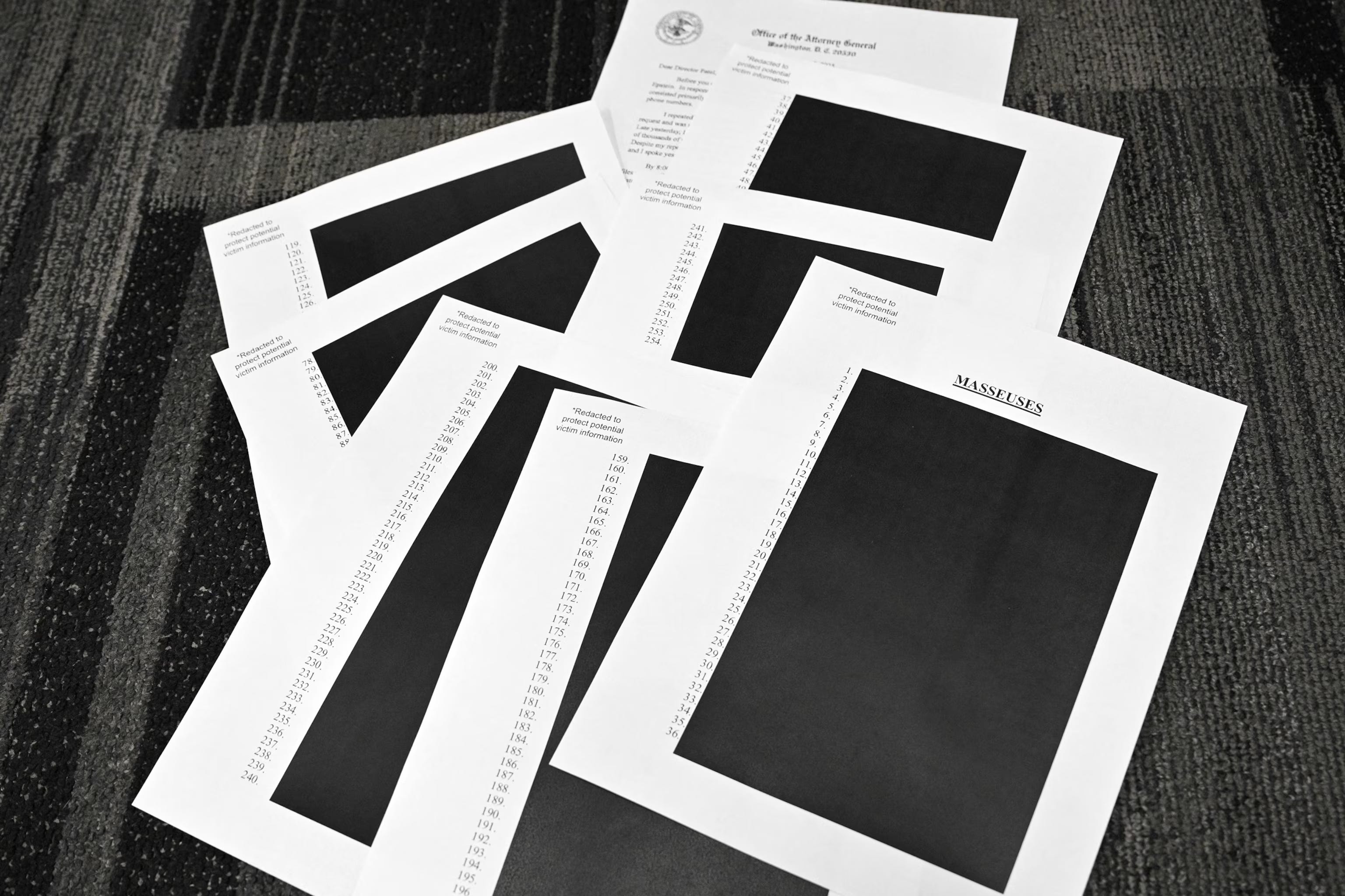
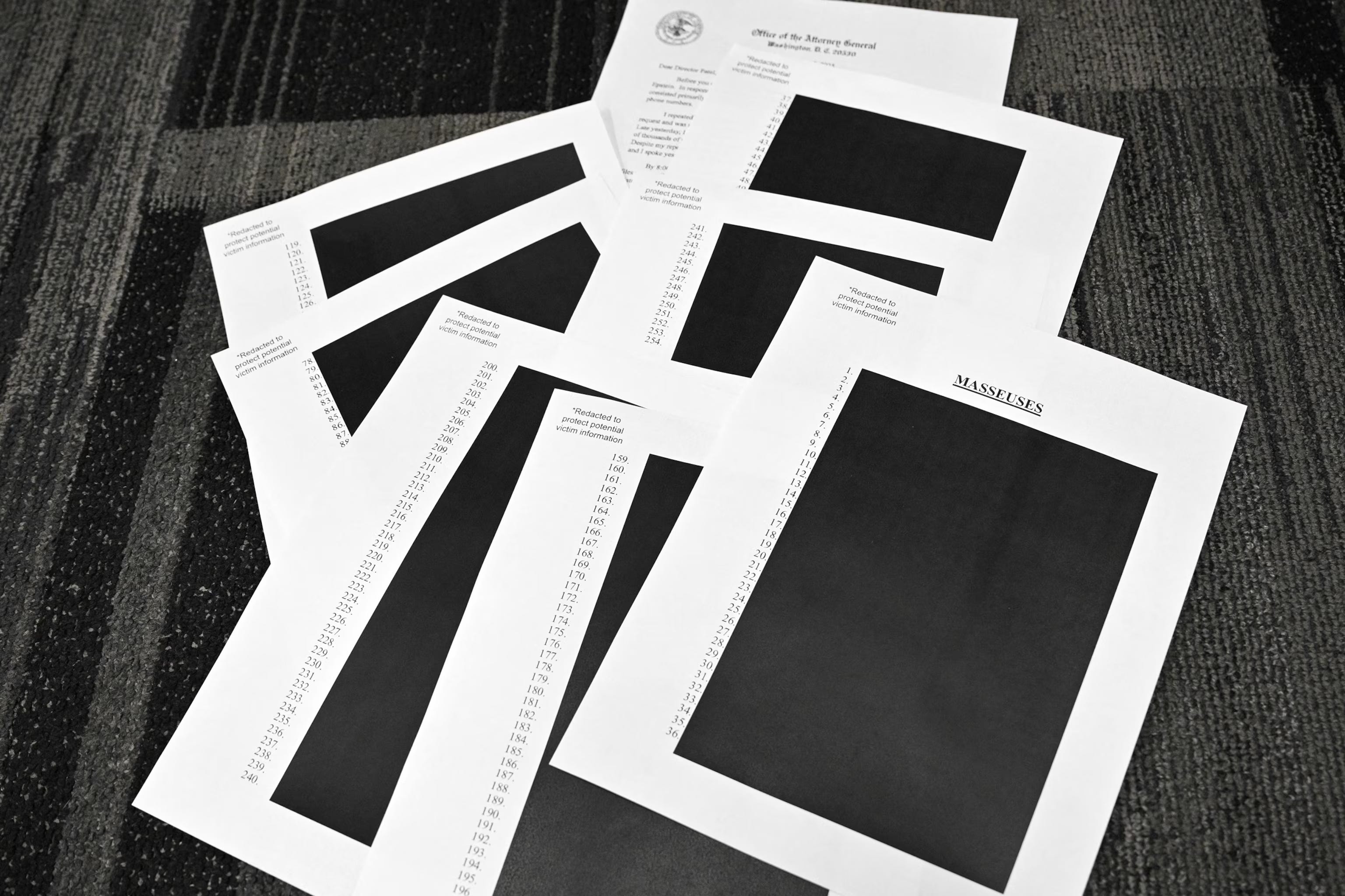
DDespite the grand spectacle of the January release, the Department of Justice is still sitting on a mountain of roughly 3 million pages of Epstein-related documents. Officials say it’s because the stash contains illegal material and sensitive details about victims, but at this point, it sounds like they’re guarding it with the same secrecy as the recipe for Coca-Cola.
Survivors aren’t buying this excuse. They point out that in several released documents, the victims’ details are left wide open for the world to see, while the names of influential men are playing an impressive game of hide-and-seek. Now, lawmakers from both sides of the aisle are demanding an independent referee to blow the whistle on the mysteriously missing names in the locked-up archive.
Once again, delay has heroically stepped into the spotlight as the ultimate guardian, donning its invisible cape and wielding the almighty power of “not right now.” It stands valiantly at the gates of action, fending off urgency with the well-practiced art of procrastination, ensuring that nothing dangerous (or remotely productive) can slip through without first enduring an indeterminate wait in the queue of eternal postponement.
The International Fallout
The revelations have sent ripples far beyond U.S. shores, like gossip at a royal garden party. Miroslav Lajcak, the former President of the UN General Assembly, made a hasty exit from his post after emails surfaced showing he’d been invited to meet Epstein in 2018; more than once, as if it were some kind of recurring calendar event. Meanwhile, across the pond, fresh photos and correspondence have put Prince Andrew back under the world’s magnifying glass, thoroughly contradicting his earlier denials and ensuring that the royal family’s PR department earns every last penny of its tea budget.
The pattern is as reliable as a cat knocking things off a shelf: exposure rarely springs from heartfelt confessions, but rather from dusty archives that stubbornly outlive their guardians, patiently waiting to spill secrets like a nosy neighbor who’s just discovered binoculars.
The Persistence of Inertia
The 2026 Epstein disclosures don’t wrap things up with a neat little bow. Instead, they serve up something far more unnerving, like a surprise party where the guest of honor is systemic dysfunction. Turns out, the big reveal isn’t that the system failed, but that it performed its role to perfection… which is somehow worse.
Warnings were scribbled like frantic Post-it notes on a fridge. Evidence was cobbled together like a suspiciously wobbly IKEA shelf. Networks were mapped with the precision of a child’s crayon drawing of the solar system. And nothing (absolutely nothing) budged until Congress stomped in, yanked open the blinds, and let the dust motes dance in the sunlight.
Yet still, three million pages sit sealed tighter than grandma’s secret cookie recipe. Names are blacked out like a teenager’s diary after a breakup. And as for prosecutions? Well, the courtroom’s as empty as the office fridge on a Monday morning.
The question is no longer what Jeffrey Epstein did, those disturbing details are etched into the public record like a bad tattoo. Now the real mystery is figuring out who’s still getting tucked in at night under the warm, cozy blanket of influence, and why the grand, creaky contraption we call the justice system suddenly moves slower than a sloth on vacation whenever the scent of power wafts through the air.
This story will only be launched into the great abyss of forgotten ideas if silence is allowed to gallop unchecked, finishing the half-baked magnum opus that procrastination so gleefully shoved onto the stage before sprinting away for a coffee break.

Sources
Government and Legal Sources
United States Department of Justice (2026) Epstein Files Release: Investigative Records and Associated Materials. Washington, DC: DOJ. Available via the DOJ public records portal (released 30 January 2026).
United States Congress (2025) Epstein Files Transparency Act. Public Law No. 118. Washington, DC: U.S. Government Publishing Office.
Federal Bureau of Investigation (1996) National Threat Operations Center Tip Report: Maria Farmer Submission. FBI internal record, later released under the Epstein Files Transparency Act.
Federal Bureau of Investigation (2007) Draft Federal Indictment: United States v. Jeffrey Epstein et al. Unfiled indictment, Southern District of Florida, released January 2026.
United States Attorney’s Office, Southern District of Florida (2007) Non-Prosecution Agreement in the Matter of Jeffrey Epstein. Miami, FL.
Congressional and Oversight Materials
House Committee on Oversight and Accountability (2026) Hearing on DOJ Compliance with the Epstein Files Transparency Act. Washington, DC.
Khanna, R. and Massie, T. (2026) Joint Statement on DOJ Redactions and Withheld Epstein Materials. Congressional press release.
Court Records and Civil Litigation
Doe v. Epstein et al. (2016) Civil Complaint. U.S. District Court, Central District of California.
Giuffre v. Maxwell (2015) Civil Complaint and Associated Filings. U.S. District Court, Southern District of New York.
Investigative Journalism and Media Reporting
Miami Herald (2018) ‘Perversion of Justice’, Miami Herald, 25 November.
New York Times (2019) ‘How Jeffrey Epstein Evaded Justice’, The New York Times, 9 July.
New York Magazine (2019) ‘The Jeffrey Epstein Case’, New York Magazine, July issue.
ProPublica (2020) ‘The Federal System Failed Epstein’s Victims’, ProPublica, 12 February.
Guardian (UK) (2026) ‘Epstein Files Reignite Scrutiny of Political and Royal Ties’, The Guardian, February.
Reuters (2026) ‘DOJ Defends Redactions in Epstein Document Release’, Reuters, 2 February.
Audio, Archival, and Secondary Sources
Wolff, M. (2024–2025). Recorded Conversations with Jeffrey Epstein (2017). Audio recordings released in segments by the publisher and journalist.
United States Department of Justice (2026). Epstein Library Digital Repository: Technical Overview. DOJ briefing document.
Survivor Testimony and Advocacy Sources
Farmer, M. (2019). Testimony on Institutional Failure in the Epstein Case. Public statements and interviews.
National Crime Victims’ Rights Law Center (2026) Analysis of DOJ Redactions in the Epstein Files Release. Washington, DC.